In an age when we are inundated daily with a flood of emails, reports and data, it is becoming increasingly difficult to filter out what really matters. We read a lot, but retain very little. This is where a tool comes into play that is as old as humanity itself, yet more important today than ever before: visualisation.
But what does visualisation really mean in a professional context? Is it simply about making things ‘look nice’? Far from it.
The bridge between data and understanding
At its core, visualisation is the process of translating abstract information, data or complex relationships into a visual form. The aim is to make knowledge not just consumable, but tangible. Whether it’s a process visualisation, an infographic or a complex process graphic – visual representation harnesses the way our brain works.
We take in around 80% of all information through our eyes. Our brain processes images far more quickly than walls of text. Visualisation is therefore the art of reducing complexity. It helps us to:
- Recognise patterns and structures.
- Understand connections between different departments or steps.
- Create a shared ‘mental space’ for teams.
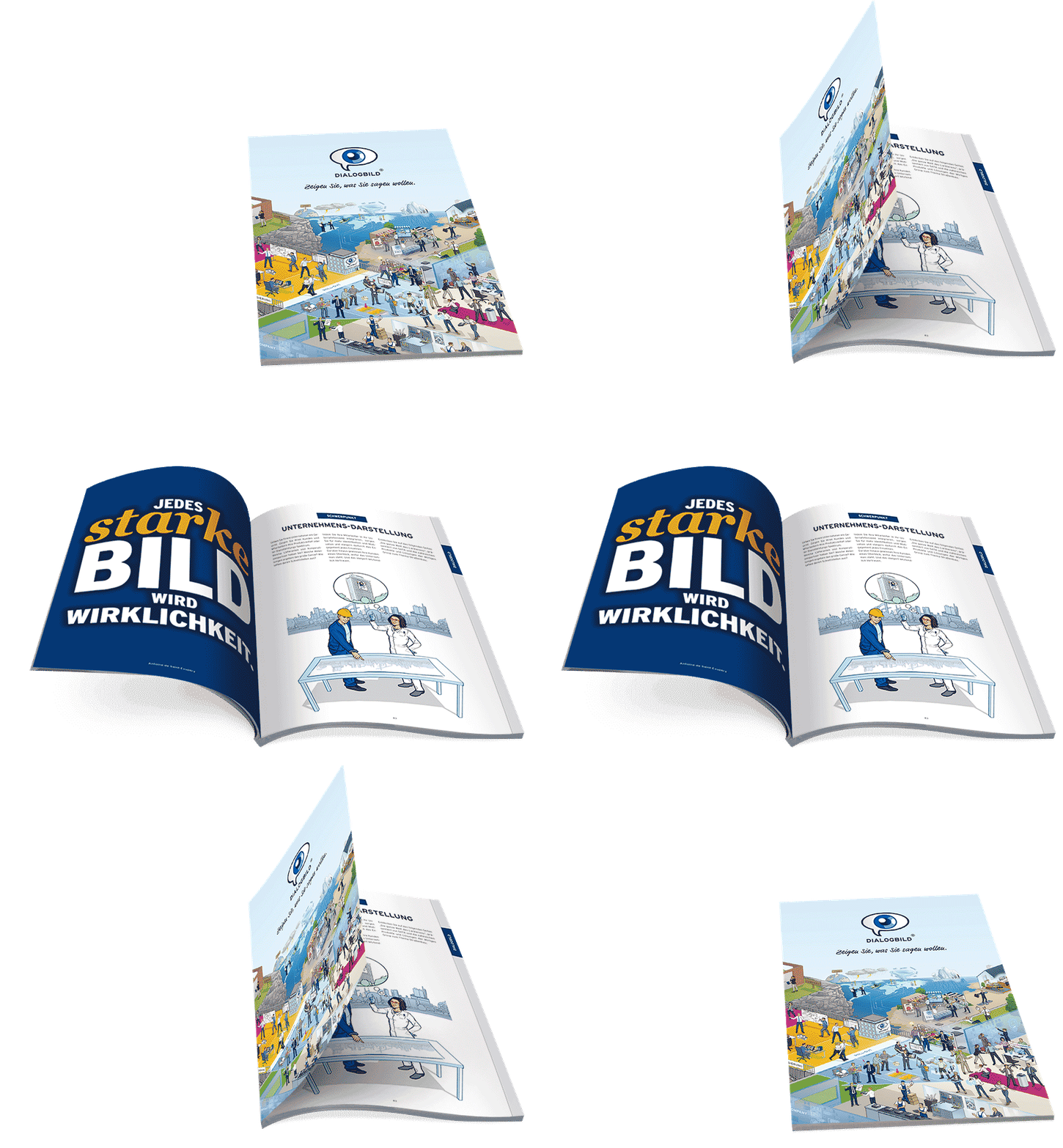 Get info package